No Dead Ends: How to increase financial sustainability and board engagement by turning endings into beginnings
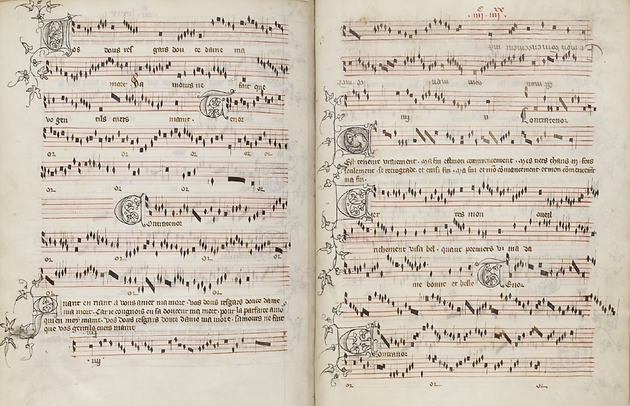
Question: What could today's best fundraisers possibly share in common with a medieval French composer and a modernist Anglo-American writer?
Answer: They all know the secret to the phrase "my end is my beginning."
This idea, the basis for celebrated works by artists who lived worlds apart ("Mon fin est mon commencement" by Guillaume de Machaut and "East Coker" from T.S. Eliot's Four Quartets), holds the key to fundraising success.
Because stewardship isn't the end of the fundraising process, it marks a beginning.
Here's what today's best fundraisers already know:
Now more than ever, philanthropy reflects a desire to join your community.
Individuals, foundations, and corporations contribute to your nonprofit as a form of dialogue. They're interested in a relationship because they care about your mission, impacts, and outcomes.
Their gift signals the beginning of the relationship. And like all healthy relationships, the lines of communication need to remain active and open.
Many nonprofits underestimate the importance of what happens after the "close."
They invest all of their creative energy in getting to the "ask" and move on to the next solicitation or campaign once the money's in hand.
They treat stewardship as a dead end. An afterthought. A cursory obligation once the money has been committed.
No meaningful relationship lasts under these conditions.
Here's what today's best fundraisers already do:
They embrace stewardship as an evergreen process, investing it with the same energy as the other phases of "moves management."

They learn the communication preferences ("love languages") of different donor audiences.
They build intent and efficiencies into the process.
And they do leverage AI. But they don't forget that human connection outperforms bots—every time.
We're living in an attention economy:
Marketing, sales, and fundraising experts alike continue to underscore that acquisition has become more difficult than ever. It's still possible and necessary, but it's laborious and unpredictable.
Reliable revenue comes from retention, and retention comes from existing relationships.
Stewardship is what keeps these relationships going. It's your key to financial sustainability.