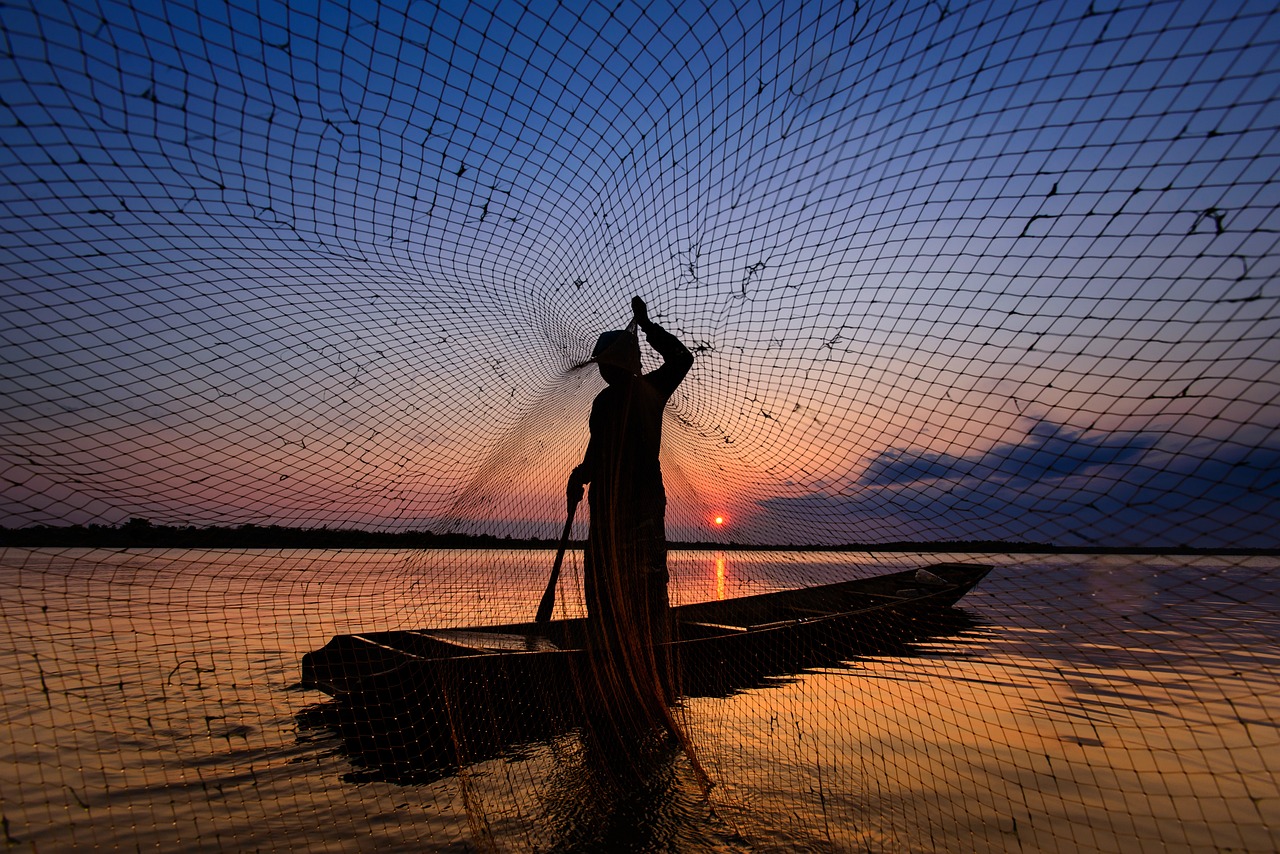
Lessons From the Field: Grant Strategies for Challenging Times, An Angler's Approach
Survival strategies are top of mind for nonprofit leaders these days. The recently-issued Giving USA 2025report offers important clues, including some trends and mixed signals that warrant interpretation.
At first glance, the picture seems encouraging. Charitable giving in calendar year 2024 was strong based on positive trends in the stock market, personal income, and GDP growth. Nearly every nonprofit subsector experienced increased giving.
But much has changed of late, and a more worrisome picture emerges on closer scrutiny. For example, the rise of mega gifts, which are notoriously difficult to predict, even harder to secure, and shape the giving picture overall. Or the erosion of smaller gifts, including the declining number of annual donors noted for several years running.
It’s hard to know where to turn for fundraising success.
While individual giving continues to represent roughly two-thirds of all charitable giving, grant submissions are seeing a pronounced upsurge.
This isn't surprising. The ground rules and giving parameters for grants are more concrete and transparent than they are with individual giving. And with the advent of AI, proposals are easier than ever to produce and get out the door.
Grant strategy in these challenging times seems to have become one of market saturation. “The more you reach out, the more you bring in.” “You have to be in it to win it.” “A wider net catches more fish.”
Problem is, flooding the market with proposals still takes valuable time and resources. Even AI-informed submissions need to be prepared and managed.
From the funder side, program officers report being deluged by pro forma outreach and cold-call proposals. They’re receiving more and more requests that seem cobbled together by AI that are neither compelling nor even mission-aligned. In recent days, I’ve heard several program officers lament this growing trend in the grant world. They regret even more having to shift increasing numbers of time-consuming proposals into the “no” pile right out of the gate.
If the end goal is the funding, grant success starts with smart targeting. It’s not about casting the widest net—it’s about knowing where and how to cast.
Indeed, the art of prospecting and cultivation in fundraising is often compared to fishing. When it comes to grant strategy, think fly rod, not cast net.
Below are three practical tips for a more intentional, angler’s approach.
#1: Read the Water
Anglers know to scout the right streams, lakes, and feeder creeks. They do their research and evaluate environmental conditions to identify the most productive waters based on their goals.
In grant terms, this means becoming an active student of your grant philanthropic community. Be methodical in identifying potential funders but even more relentless in assessing potential alignment.
It’s not enough to be “in the ballpark” when it comes to what a grant funder supports. You need to dive deeper to understand the activities, impacts, and outcomes they choose to support. Even when your missions seem aligned, the funder may not supportwhatyou do orhowyou do it. Annual reports and IRS 990 filings are a good place to learn more.
A little homework goes a long way. It can also save you a tremendous amount of time and false hope. (Artisanal flower farmers do something similar. If you're more of a gardening type, check out my Lessons From the Field blog from March 2025.)
#2: Hone Your Casting Skills
Countless books and articles extoll the art of fly casting. The skill and grace that

characterize casting—almost balletic in its beauty and kinetic precision—are honed with guidance and practice over time.
In fundraising terms, this means doubling-down on qualification—determining whether you and a given funder are truly aligned. Like the art of fly casting, qualification, purposeful dialogue to "test the waters," helps you to become more focused, intentional, and efficient with your fundraising overall.
In today's norm-shattering world, testing alignment is important before you spend any time on any proposal. Goals and priorities are rapidly shifting everywhere, including the funding community. Don't presume, even with long-standing funding partners.
#3: Learn the Art of the Lure
If fly fishing is an art, the flies themselves are objects of near-mythical beauty and power. The craft that goes into every fly—the blend of science, creativity, and skill—is designed to appeal to the specific species of fish being targeted.
Demonstrate
Program officers are professional gatekeepers. They're trained to assess the volumes of inquiries they receive on a regular basis. They recognize rote language that doesn't speak to their work, or address the issues, impacts, and outcomes they support. Program officers are also human. They recognize institution-speak and are increasingly sensitive to everything that's artificial about AI. They're aware of shifts in tone that break from brand voice or create a haphazard narrative logic. What opens the gates and invites further dialogue is clarity about alignment and values, impacts, and outcomes, that is communicated in an authentic way. AI can help, but it can't persuade like human connection.