Lessons From the Field: What Nonprofits can Learn from Local Flower Farmers
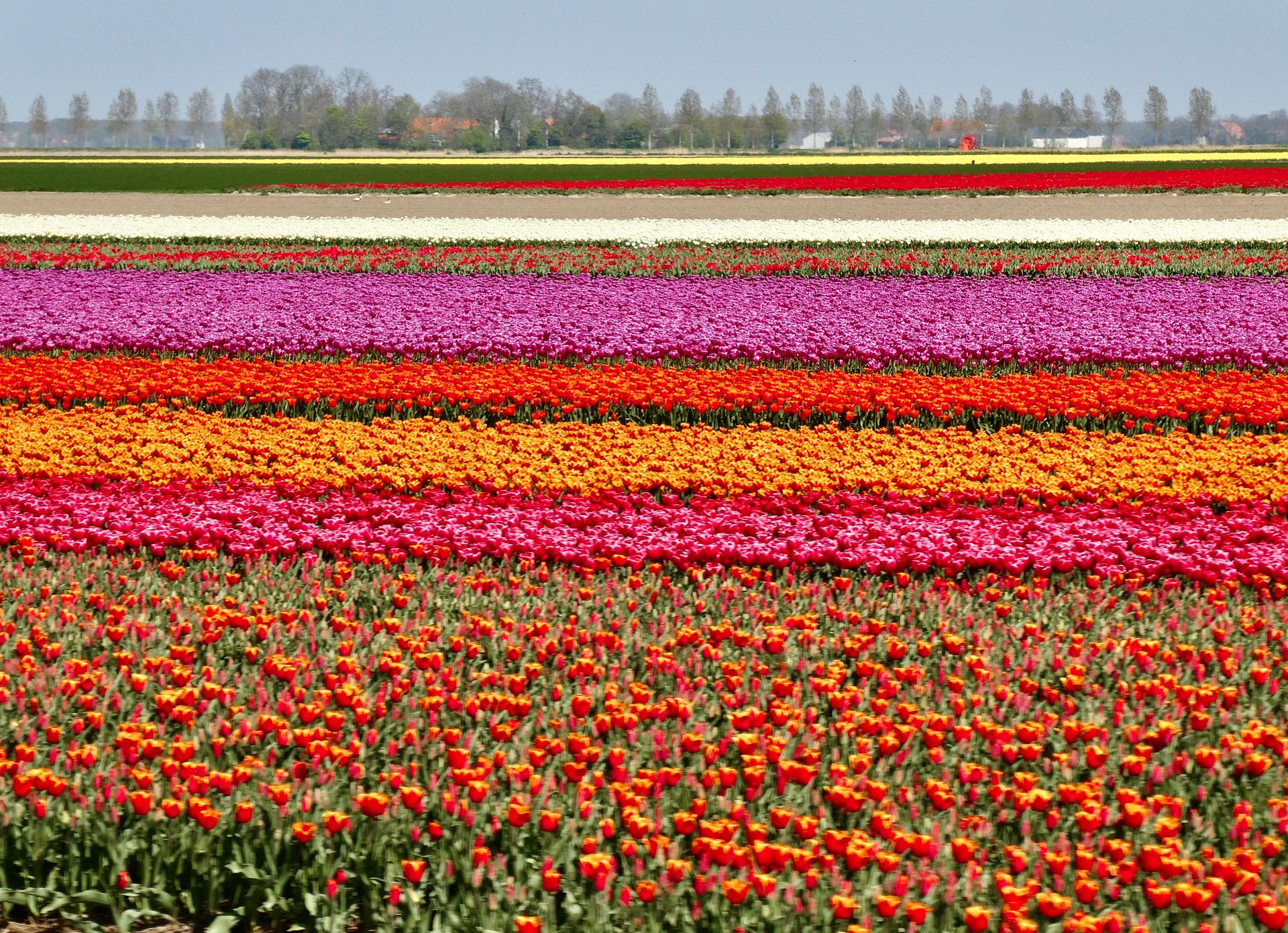
Local, artisanal flower farmers are a ruthless bunch! Sure, they’re passionate about beautiful blooms. But they’re even more savvy scientists and businesspeople.
The most successful ones have homed in on their consumer market and environmental conditions, so they know what to grow and why in order to turn a profit.
They don’t banish sentimental favorites entirely. They just reserve emotional choices for hobby gardening. They’re highly selective about what they grow and picky about quality, having learned what their customers want and what performs best in their climate and growing conditions.
And since many are small-business entrepreneurs, they differentiate themselves well—they don’t try to compete with grocery store chains or big box competitors that can import certain varieties reliably, at high quality and low cost.
So, what does any of this have to do with nonprofits or fundraising?
The decision-making journeys of successful, entrepreneurial flower farmers are directly relevant to how nonprofit leaders can make smart choices for sustainability. Especially executives with small teams, executives of early-stage nonprofits, and those who are leading a team through major change.
Each in their own way, successful small-business flower farmers have been able to pursue their passion while planning for financial and even eco-sustainability.
Since a new growing season is fast upon us, now is a great time to learn from these successful leaders.
Below are several factors that small, local flower farmers commonly identify when they discuss their work, with analogies for the nonprofit world.
Right-sized for Success. Since most local growers are small family farmers, they are keenly
attuned to issues of scope, scale, and space. Every aspect of their work is carefully planned. They know what they can handle on their own or with a few extra hands based on the dimensions of the plot of land they are farming. Since farming is hard physical labor, they learn how to economize their efforts in ways worthy of a time-and-motion study.
And since healthy soil is non-negotiable for positive harvest and business outcomes, they learn how to generate peak performance from whatever land they have and tend well to its care.
The lessons nonprofits can learn from this are legion. Clarity about what your nonprofit and team can and cannot do well based on a right-sized approach is foundational for success and sustainability. In an admirable effort to do more, too many nonprofits grow beyond their capabilities, digging themselves into financial holes and causing staff burnout. They can also loose sight of organizational health, which undermines fundraising success.
Most successful flower farmers are intentional about remaining small so they can operate at maximum capacity and provide the best possible product to their customers. Growth brings exponential and unforeseen pressure.
Often improvements or expansions to what your nonprofit already does well is the right choice for renewal and forward momentum. This affords you and your team the mental capacity to get better at what you do before you try to do more.
Terroir. Anyone who farms or gardens becomes an active student of their own terroir. This French concept commonly associated with viticulture goes far beyond soil conditions. It encompasses the complete natural environment including unique aspects of topography, climate, and crop conditions. The concept of terroir also includes the idea of stewardship: an awareness that we are caretakers of the land for but a short moment in time, coupled with a healthy respect for what has come before and what should follow.
Nonprofit leaders who take the time to become students of their own terroir learn the nuances of their local community, their funding community, and the donors and funders who care about their mission. Successful nonprofit leaders also recognize that they are caretakers of their organizations; they value stewarding their donors and make sure to steward their organization well with strategic choices that will allow the organization to thrive into the future.
Every nonprofit reflects the unique qualities that are embodied in the concept of terroir. Understanding your environment and character of your funding community enables you to make fundraising choices that serve your donors and business model well now and for the future. Successful fundraising, like farming, is about planting seeds where the conditions are right.
Crop Choice. A third and final factor that all small flower farmers discuss openly, and with an almost clinical dispassion, is crop choice. Given the strong emotions that fresh flowers evoke, this can seem startling. But they know down to specific subspecies what will perform well based on their terroir and their market. They also consider a range of less than aesthetic issues like labor-to-harvest metrics, yield conditions, and price point.
Roses, dahlias, and peonies, for example, are perennial favorites that bring premium prices per stem. But all three are expensive, fussy to grow, and require considerable space based on growth habit and health considerations. Roses have thorns, which makes them difficult to harvest. Dahlias grow from tubers that must be dug up, cleaned, and stored each year to avoid winter rot. Peonies have exceptionally short flowering seasons, and they take years to mature and bloom.
Snapdragons, cosmos, and lisianthus, on the other hand, have much lower labor-to-harvest requirements. They grow easily from seed, are simple to harvest, and flower regularly throughout the summer. They can be planted closely together for increased bloom yield. Diversifying crop choice can mean expanding color options based on species that perform and sell well rather than adding new flower choices into the mix.
The analogies with fundraising center once again around how to make smart fundraising choices rooted in business models. Annual giving has steep start-up costs and requires marketing expertise. But once up and running, annual giving can yield revenue multiple times per year. And like the easygoing Snapdragon, this funding is unrestricted, and it can be fairly reliable.
Grantsmanship, like roses, is time consuming and requires highly specialized case-building skills. Grant writing can be a fussy process, and grants sometimes come with “thorns,” meaning extreme restrictions on giving. Reliability can be unpredictable. Yield is often just once per season based on a funder’s annual award cycle. But if your climate is conducive and strong opportunities exist in your landscape, grantsmanship can be a highly productive, high-yield investment.
And peonies, like individual donor relationships, require time and attentive cultivation to flower. But when they do, their blooms are spectacular, and the plants themselves are long-lived. So too with major donor relationships.
Some Favorite Vlogging Flower Farmers and Gardening Experts
Flower Farmers
Georgie Newbery/Common Farm Flowers (Somerset, England)
Alex and Eric Peschell/Coram Deo Flower Farm (Tulsa, Oklahoma)
Brianna Bosch, Blossom & Branch Farm (Denver, Colorado)
Jenny Marks/Trademark Farmer (Rochester, New York)
Danielle Keeton/Northlawn Flower Farm (Lancaster, Pennsylvania)
Gardening Experts
Laura and Aaron LeBoutiller/Garden Answer (Eastern Oregon)
Erin Schanen/The Impatient Gardner (Southeast Wisconsin)
Alexandra Campbell/The Middle-sized Garden (Kent, England)
Ramona Jones/Monalogue (Somerset, England)
Claus Dalby (Aarhus, Denmark)
Jim Putnam/HortTube (Central North Carolina)
Tony Avent/Plant Delights Nursery (Central North Carolina)